.png)

9 Lifestyle Hacks to Save Money for a House
October 5, 2026

Lifestyle Hacks to Save Money for a House
Saving for a house can feel overwhelming, especially when you are balancing bills, groceries, everyday expenses, and the things you enjoy. But you don't have to completely change your lifestyle to save money.
Instead, start by looking at your finances in three categories: savings, needs, and wants. Small changes in each category can help you build a house fund without making your financial goals feel impossible.
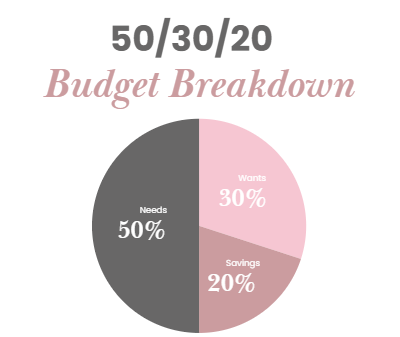
A simple way to get started is to use the 50/30/20 budget to decide how much of each paycheck should go toward your needs, wants, and savings. From there, you can make small adjustments that help you put more money toward buying a home.
What Is the 50/30/20 Budget?
The 50/30/20 budget is a simple budgeting method that divides your after-tax income into three categories: 50% for needs, 30% for wants, and 20% for savings and financial goals.
Your needs can include necessary expenses such as housing, groceries, utilities, transportation, insurance, and minimum debt payments. Your wants can include things you enjoy but could live without, such as dining out, entertainment, shopping, and subscriptions. The remaining 20% goes toward savings, investments, additional debt payments, or other financial goals.
If you're saving to buy a home, your house fund can become part of that 20% savings category.
How Can You Use the 50/30/20 Budget to Save for a House?
For example, if your take-home pay is $4,000 per month, a 50/30/20 budget would break down like this:
- 50% for needs: $2,000
- 30% for wants: $1,200
- 20% for savings: $800
You could then decide how much of that $800 savings category should go directly into your house fund each month.
The 50/30/20 budget doesn't have to be a strict rule. If your needs take up more than 50% of your income, you can adjust the percentages to fit your situation. On the other hand, if buying a house is a priority and you can comfortably spend less on wants, you could move some of that money into savings instead.
The purpose is to give every paycheck a plan. Once you know how much is going toward savings, needs, and wants, the following lifestyle changes can help you find even more opportunities to save money and grow your house fund.
Savings: Build Your House Fund First
One of the easiest ways to build a house fund is to make saving automatic. Instead of waiting until the end of the month to see what is left, put money toward your savings goal first.
1. Automate Money Into a High Yield Savings Bank Account
Set up an automatic transfer of a fixed amount from every payment you receive into your house fund. Ideally, keep this money in a high yield savings bank account where your savings can earn interest while you work toward your goal.
Transfer the money before making purchases or paying other bills. This helps make your house fund a regular part of your budget instead of something you only contribute to when you have extra money.
Even if you can only start with a small amount, consistently contributing to a high yield savings bank account can help your savings grow over time.
2. Use the Spare Change Trick to Save Money
Another simple way to save money is to round every purchase up to the nearest dollar and save the difference.
For example, if you spend $4.60, round the purchase up to $5 and put the extra $0.40 into your house fund. Many banking apps can automatically round up purchases and transfer the difference into savings.
The individual amounts may be small, but they can add up without requiring a major change to your everyday spending.
3. Put Every Windfall Into Your House Fund
Tax refunds, bonuses, cash gifts, and money from side gigs can go directly into your house fund.
Because this money isn't normally part of your day-to-day budget, saving it doesn't require you to reduce your regular spending. Instead of adding the extra money to your lifestyle, move it into your high yield savings bank account and continue living on your normal income.
This can help you save money faster when unexpected income comes your way.
Needs: Keep Track of What You Spend
Needs are expenses you can't completely eliminate, but that doesn't mean you can't find opportunities to spend less.
The goal isn't to stop spending money on necessities. It's to keep track of what you spend and find areas where you can reduce unnecessary expenses.
4. Keep Track of What You Spend Every Month
Start by tracking all of your expenses for one month.
When you keep track of what you spend, you can see exactly where your income is going. Give every dollar a job, whether it's for housing, groceries, transportation, bills, savings, or your house fund.
Tracking your expenses can also help you identify spending habits you might not notice otherwise. Once you understand where your money is going, you can decide where you can cut back and save money.
5. Cook at Home Instead of Eating Out
One of the simplest ways to reduce everyday spending is to cook at home more often.
Plan dinners ahead of time and purchase groceries based on the meals you intend to make. Having food and a plan ready at home can make it easier to avoid spending money on restaurants, delivery, and last-minute takeout.
When you cook at home, the goal isn't to stop spending money on food. Instead, you are allocating more of your food budget toward groceries and reducing opportunities to overspend.
Any money you save can then go toward your house fund.
6. Lower Utility Bills With Small Changes at Home
Look for simple ways to lower utility bills without making your home uncomfortable.
Turn off lights when you're not using them, wash dishes by hand instead of using the dishwasher when practical, and wear weather-appropriate clothing before immediately turning up the heat or air conditioning.
Small habits like these may help lower utility bills over time. If your monthly bills decrease, consider putting the difference directly into your house fund instead of spending it elsewhere.
Wants: Practice Delayed Gratification
You don't have to eliminate everything you enjoy while saving for a house. Instead, become more intentional about when and why you spend money on things you want.
Learning to practice delayed gratification can help separate purchases you truly value from purchases you only want in the moment.
7. Practice Delayed Gratification With the One-Week Rule
Before buying anything over $30 that wasn't already planned, wait one week.
This gives you time to practice delayed gratification rather than making an impulse purchase. If you still want the item after a week, it may be something that genuinely matters to you.
If you no longer want it, take the money you would have spent and consider moving it into your house fund instead.
The goal of delayed gratification isn't to never buy things you want. It's to give yourself enough time to decide whether a purchase is worth taking money away from your larger financial goal.
8. Cancel Subscriptions You Don't Need
Review your recurring expenses and cancel subscriptions you don't currently need.
Streaming services, apps, memberships, and other monthly charges can feel inexpensive individually, but small purchases add up over time.
You don't necessarily have to cancel subscriptions forever. If buying a home is your current priority, you can temporarily remove subscriptions you aren't regularly using and purchase them again after reaching your financial goal.
Take the amount you were paying each month and put it into your house fund. This turns an old expense into automatic savings.
9. Try a No-Spend Month
A no-spend month can help you reset your spending habits and find free alternatives to activities that normally cost money.
During the month, continue paying for your regular needs but avoid unnecessary purchases. Instead of paid entertainment, look for free activities such as parks, libraries, hikes, community activities, or free-admission opportunities at local attractions.
A no-spend month can also show you which purchases you genuinely miss and which ones you can live without.
Start Small and You’ll Reach Your House Fund in No Time
The goal isn't to make every change at once. Start with the habits that make sense for your budget and build from there. Every small amount you save can bring your house fund one step closer to your goal of buying a home.
If you’re thinking about buying a home but aren’t sure where to start, contact the ML Team. We can connect you with helpful resources, answer your questions, and help you create a plan for your next steps toward homeownership.
Whether you’re ready to buy soon or simply want to start preparing, we’re here to help you understand your options and move forward with confidence.
Contact the ML Team to Start Your Homebuying Plan.
Related Posts.